How Operational Overload Is Quietly Undermining Care Quality and Clinic Growth
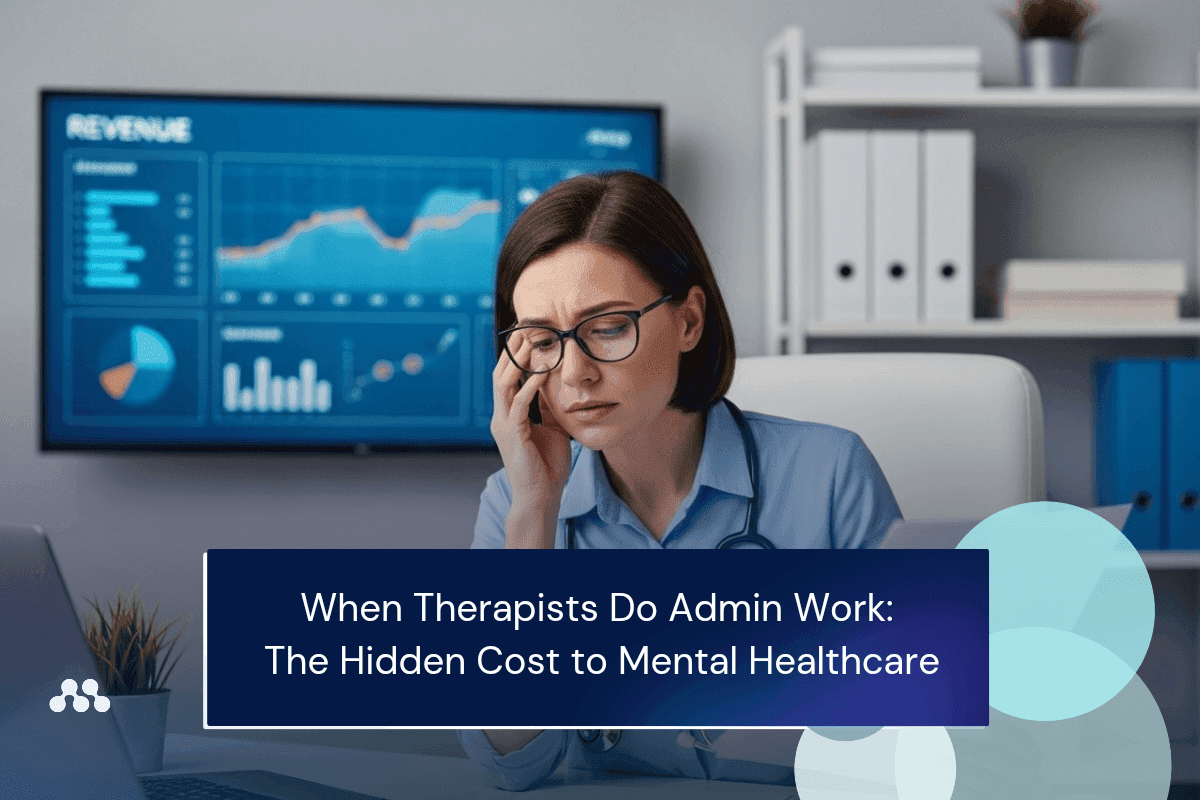
In many U.S. mental health clinics, therapists are spending a growing portion of their time on administrative tasks instead of patient care. Scheduling coordination, documentation cleanup, follow-ups, billing clarifications, and system workarounds are quietly shifting onto clinicians. This administrative overload is a major driver of burnout, reduced care quality, and stalled clinic growth. Generic SaaS tools often increase this burden by fragmenting workflows. Clinics that redesign operations using custom, workflow-driven systems are able to protect therapist time, improve outcomes, and scale sustainably.
Introduction: A Problem Hidden in Plain Sight

Mental health clinics are built around one scarce, valuable resource:
therapist time and attention.
Yet across the United States, clinics are unintentionally using that resource to:
- Fix scheduling issues
- Chase missing intake information
- Re-enter data into systems
- Correct documentation gaps
- Coordinate with billing and admin teams
Therapists are increasingly doing work that has nothing to do with therapy.
This is rarely intentional.
It is usually the byproduct of broken or fragmented systems.
And it comes at a high cost.
The Growing Admin Burden on Therapists
The American Psychological Association has repeatedly highlighted administrative workload as a leading contributor to clinician stress and burnout.
Therapists consistently report:
-
Too much time spent on paperwork
-
Systems that interrupt clinical flow
-
Pressure to “do it all” to keep things moving
As demand for mental healthcare rises, this problem is getting worse - not better.
What “Admin Work” Actually Looks Like for Therapists
When leaders hear “admin work,” they often think of:
➜ Front desk tasks
➜ Billing teams
➜ Office managers
In reality, therapists are handling admin work such as:
-
Manually confirming appointments
-
Reviewing incomplete intake forms
-
Following up on missing insurance details
-
Fixing scheduling errors
-
Adjusting documentation for billing
-
Entering the same information in multiple systems
-
Messaging patients about logistics
None of this is clinical care.
But it consumes time, energy, and attention.
Why This Happens More as Clinics Grow
At small scale, therapists tolerate some admin work.
At larger scale, tolerance turns into exhaustion.
As clinics grow:
- Intake volume increases
- Edge cases multiply
- Systems break under complexity
- Admin teams fall behind
Instead of fixing workflows, clinics often rely on therapists to “help out.”
This creates a dangerous pattern:
When systems fail, therapists absorb the failure.
The Real Cost of Therapists Doing Admin Work
1. Reduced Time for Patient Care
Every hour spent on admin is:
➜ One fewer session
➜ Shorter preparation time
➜ Reduced emotional presence
➜ Care quality suffers quietly.
2. Increased Burnout and Attrition
Administrative overload is one of the fastest paths to burnout.
Burned-out therapists are more likely to:
➜ Reduce hours
➜ Stop taking new patients
➜ Leave the clinic entirely
Replacing an experienced therapist is costly and disruptive.
3. Higher Operational Costs
When therapists do admin work:
➜ Highly trained clinicians perform low-value tasks
➜ Cost per session increases
➜ Efficiency drops
This is one of the least visible forms of operational waste.
4. Lower Patient Satisfaction
Patients feel the impact when:
➜ Therapists are rushed
➜ Follow-ups are delayed
➜ Communication feels disorganized
Patients may not articulate the problem - they simply disengage.
Why SaaS Tools Often Make This Worse

Many clinics invest in SaaS tools hoping to reduce admin burden.
Instead, they often shift admin work onto therapists.
Common SaaS-Driven Problems
1. Fragmented Systems
When intake, scheduling, notes, and billing live in separate tools:
➜ Therapists become the bridge between systems
➜ Context switching becomes constant
➜ Errors increase
2. Rigid Workflows
SaaS tools impose predefined processes that:
➜ Don’t match real clinical practice
➜ Force therapists into unnatural steps
➜ Create extra clicks and workarounds
3. Shallow Automation
Many tools automate tasks, not workflows.
This means:
➜ Partial automation
➜ Manual cleanup
➜ Therapists filling the gaps
4. “Just One More Tool” Syndrome
Adding more tools often increases complexity:
➜ More logins
➜ More notifications
➜ More mental overhead
The admin burden doesn’t disappear - it spreads.
Why Mental Healthcare Is Especially Vulnerable
Mental healthcare is:
-
Relationship-based
-
Emotionally demanding
-
Context-rich
-
Longitudinal
When therapists are pulled into admin tasks:
-
Emotional fatigue increases faster
-
Cognitive overload is higher
-
Recovery time decreases
This is not just an efficiency issue.
It is a care quality issue.
The False Assumption: “Therapists Can Handle It”

Many clinics unconsciously assume:
“Our therapists are capable — they’ll manage.”
They do manage — until they can’t.
Therapists are resilient, but resilience should not be used to compensate for poor system design.
What High-Performing Clinics Do Differently
Clinics that protect therapist time make a clear decision:
Therapists do therapy.
Systems handle operations.
They focus on:
-
Clear role separation
-
Workflow ownership
-
Automation where repetition exists
-
Human involvement where judgment matters
How Custom Systems Reduce Admin Burden on Therapists
Custom software does not replace people.
It replaces friction.
1. Admin Workflows Handled Centrally
Custom systems ensure:
➜ Intake issues go to admin teams
➜ Scheduling logic runs automatically
➜ Billing rules are enforced upstream
➜ Therapists are removed from the loop unless needed.
2. Unified Workflows
Instead of jumping between tools:
➜ Information flows end-to-end
➜ Context is preserved
➜ Therapists stay focused
3. Smarter Automation
Automation is applied at the workflow level, not task level:
➜ Automated routing
➜ Intelligent reminders
➜ Conditional logic
This eliminates the need for therapist intervention.
4. Optional AI Assistance (Used Carefully)
When used correctly:
➜ AI drafts notes
➜ AI flags missing information
➜ Therapists retain final control
AI supports therapists — it does not replace them.
The Compounding Benefits of Protecting Therapist Time
When therapists stop doing admin work:
-
Burnout decreases
-
Retention improves
-
Patient experience improves
-
Operational efficiency rises
-
Clinic growth stabilizes
Protecting therapist time is one of the highest-leverage decisions a clinic can make.
A Note from Metricoid

At Metricoid, we work with mental health clinics across the United States to redesign operational systems so therapists can focus on care, not administration.
Our work often involves:
-
Identifying where admin work leaks into clinical roles
-
Redesigning workflows to absorb complexity
-
Automating repetitive tasks responsibly
-
Ensuring systems support, not disrupt, therapy
The goal is not faster operations.
It is healthier clinicians and better care.
Key Takeaway for Mental Health Leaders
When therapists do admin work:
- Burnout rises
- Costs increase
- Care quality suffers
This is not a staffing problem.
It is a system design problem.
Clinics that solve this protect their most valuable asset — the people providing care.
If your therapists are spending significant time on scheduling, coordination, or administrative cleanup, the issue may not be effort or commitment.
It may simply be that your systems are asking clinicians to carry work that should never have been theirs.
Sometimes, the biggest improvement in care comes from removing work — not adding more.