Introduction
"The great thing about remote work is you can hire anyone in the world. The hard thing about remote work is… you’ve hired everyone in the world."
When the world shifted toward remote work, it felt like a grand liberation. No more commutes. Flexible schedules. A broader talent pool. For a moment, it seemed like the dream of workplace freedom had finally arrived.
But as months turned into years, managers and team leads began to notice cracks in the glossy surface. Communication slipped through the cracks. Deadlines blurred. Mistrust crept in between leadership and staff. The simple act of “knowing what’s going on” became a daily uphill battle.
And it wasn’t just managers feeling the weight - remote and hybrid workers themselves started to feel it too. Some were drowning under the watchful eye of digital micromanagement. Others were doing their best work in silence, yet struggling to get noticed or appreciated.
This isn’t about remote work being “good” or “bad.” It’s about the fact that managing - and thriving - in a distributed workforce requires a completely new operating system for trust, accountability, and collaboration.
In this article, we’ll take a deep dive into the real pain points of managing remote and hybrid teams, unpack the psychological balancing act between trust and accountability, and most importantly show how top companies use advanced tools to efficiently manage their team, what tools - and how we can even white label them to give you full control and ownership.
By the end, you’ll see how the right tech strategy can transform remote team management from a constant juggling act into a smooth, insight-driven process.
The Hidden Pain Points of Remote and Hybrid Team Management
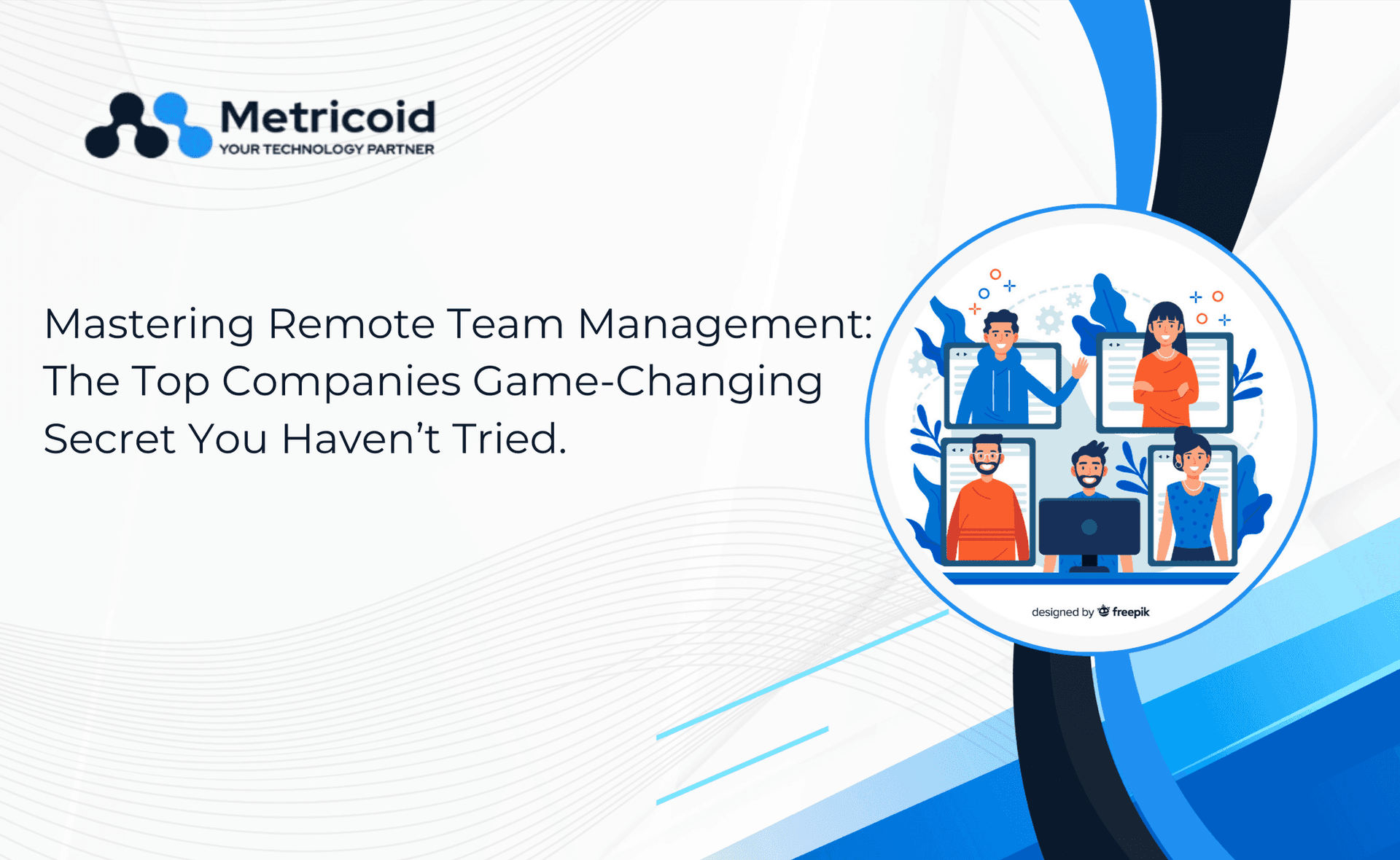
Let’s be real - the glossy stock images of remote work don’t tell the full story. Behind every smiling face on a Zoom call is a mix of operational, emotional, and cultural challenges. Let’s unpack them from both the manager’s and the employee’s perspective.
1. For Managers: Visibility Without Micromanagement
When your team is scattered across cities or even continents, you lose the natural visibility you had in an office environment. You can’t see who’s buried in focused work, who’s stuck, or who’s disengaged. This lack of visibility creates two dangerous extremes:
-
Micromanagement creep - Managers overcompensate by requesting constant updates, status calls, or progress reports, which erodes trust.
-
Overtrust blindness - Managers assume everything is fine until a deadline is missed or quality drops, at which point it’s too late to course-correct.
According to Gallup, only 22% of remote employees strongly agree that their leaders trust them to work without close supervision - a trust gap that can undermine engagement and productivity.
2. The Employee Perspective: Micromanaged or Invisible?
From the employee’s seat, remote work presents two extremes:
-
Over-Monitoring: Every keystroke tracked, every break logged, every moment scrutinized. This creates anxiety, burnout, and resentment.
-
Under-Recognition: For those who are left largely unmonitored, good work often goes unnoticed, and career growth stalls due to lack of visibility.
A Microsoft Work Trend Index study revealed that 85% of leaders say hybrid work makes it challenging to be confident that employees are productive, while 87% of employees say they are productive (Microsoft, 2022). This disconnect highlights a fundamental trust gap.
3. The High Cost of Misalignment
Without shared visibility and structured workflows, small misalignments can snowball into major project delays. Consider this: McKinsey estimates that poor communication and collaboration can cost businesses up to $1.3 trillion annually in lost productivity.
The Psychology of Trust in Remote Teams
Managing remote teams isn’t just about the logistics - it’s about trust. But trust in remote settings is fragile and needs intentional maintenance.
When managers can’t “see” work happening, it’s easy to unconsciously default to suspicion, especially if deliverables are late or communication is sparse. On the flip side, employees may interpret requests for updates as a lack of trust in their competence.
The solution isn’t more check-ins — it’s smarter visibility. Tools that give managers accurate, non-intrusive insights into workflows help replace suspicion with facts, and guesswork with data. This way, accountability becomes a natural by product of transparency, not an adversarial process.
Custom Made Remote Management Ecosystem -Technology That Makes Remote Management Work
At Metricoid Tech Solutions, we’ve seen these pain points play out in countless organizations. That’s why we’ve built - and can white label - an integrated suite of tools designed for modern, distributed teams:
MTrackPro – AI-Powered Workforce Visibility Without the Micromanagement
MTrackPro isn’t about spying on your employees - it’s about empowering managers with the context they need to lead effectively, and employees with recognition for their actual contributions.
What it does:
- Visual Evidence Tracking - Periodic, non-invasive screenshots and activity logs to show work progress without constant questioning.
- Task & Time Insights - Automatic categorization of productive vs. unproductive time, giving managers data to optimize workflows rather than police individuals.
- Customizable Dashboards - Every company works differently - MTrackPro lets you tailor metrics, reporting frequency, and privacy settings.
Why it matters: Instead of asking “What’s everyone doing?”, you’ll know. Instead of measuring busyness, you’ll measure results. And with white label options, you can deploy MTrackPro under your brand, fully aligned with your processes.
MTestHub – Recruitment and Assessment, Anywhere in the World
In remote and hybrid setups, hiring and assessing talent becomes even trickier. MTestHub is built to help you find, evaluate, and onboard top talent without geographic limitations.
What it does:
- Skill-Based Assessments - From coding challenges to soft skill evaluations, all delivered remotely.
- Automated Grading & Reports - Save hiring managers hours of manual scoring and bias-prone reviews.
- Role-Specific Test Libraries - Pre-built or custom-designed tests for your specific roles.
Why it matters: Remote hiring isn’t just about finding people who can do the job - it’s about finding people who can thrive in your culture and workflows. With MTestHub, you can assess both technical competence and remote-readiness. And yes - we can white label the platform so it becomes your proprietary recruitment tool.
MScribe – Turning Every Meeting into an Actionable Asset
Meetings and communication tools are the lifeblood of decision-making, but in remote environments, they often become black holes where ideas disappear after the call ends. MScribe solves that.
What it does:
- AI-Powered Transcription — Real-time capture of every word, tagged by speaker.
- Smart Summaries — Automatic extraction of decisions, tasks, and deadlines.
- Platform Integrations — Syncs with project management tools like Jira, Asana, and Trello for instant follow-up.
Why it matters: MScribe eliminates the “who said what” confusion and ensures that every meeting moves projects forward — not sideways. And, as with our other tools, white label deployment is available for complete brand control and immediate enhancement of your overall communication tools.
Why White Labelling Is Your Competitive Edge
When you white label our solutions, you’re not just using powerful tools - you’re making them your own.
- Brand Consistency - Your employees and clients see your logo, not ours.
- Full Ownership of Data and Workflows - Maintain control over how and where your data is stored.
- Custom Feature Development - Tailor the platform to match your exact operational needs.
In a market where differentiation matters, having proprietary tools - even if built on our proven technology - positions you miles ahead of competitors using off-the-shelf SaaS. For a deep dive on why custom software development often outperforms SaaS for unique workflows, see our article The Competitive Advantage Your Competitors Aren’t Talking About.
The Integrated Power of a Unified Remote Management Stack
Individually, MTrackPro, MTestHub, and MScribe solve specific problems. Together, they form an end-to-end remote management ecosystem:
- MTestHub ensures you hire the right talent from anywhere.
- MTrackPro gives you real-time visibility into workflows and results.
- MScribe captures every decision and action, ensuring follow-through.
And when all three are white labeled into a single, branded platform, your company doesn’t just use technology - it owns it.
The Future of Remote Work Is Custom-Built
While generic SaaS platforms can help, they come with limitations — pricing tiers, restricted customization, and dependency on a vendor’s roadmap.
Custom-built or white labeled solutions from Metricoid give you the freedom to:
- Integrate with your unique workflows.
- Maintain control over features and updates.
- Scale without unpredictable costs.
And in an age where remote work is only becoming more entrenched, that level of control isn’t just convenient - it’s a strategic necessity.
This is a Call-to-Action
If you’re ready to replace uncertainty with clarity, and fragmented tools with a unified remote management ecosystem, Metricoid Tech Solutions is ready to help.
Whether you want to white label our proven tools or develop custom software from the ground up, we’ll help you create solutions that empower your teams, protect your culture, and set you apart from the competition.
Schedule a free consultation today at metricoidtech.com/contact.